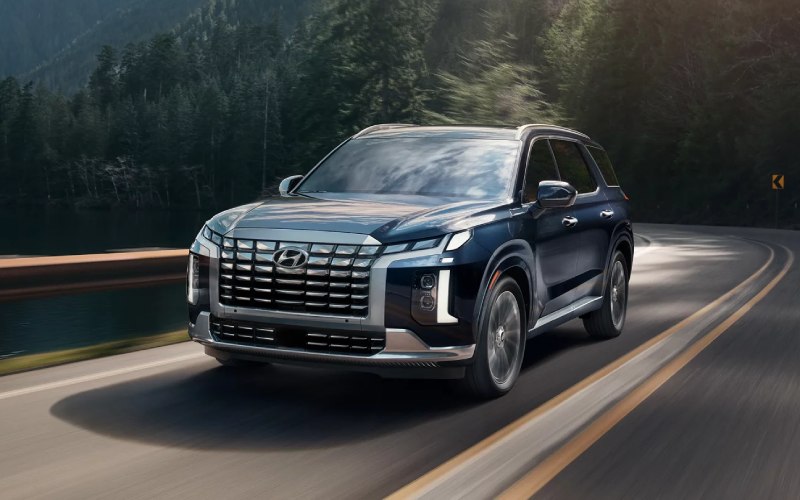
CardinaleWay Hyundai - Comparing Hyundai and Honda for Daily SR-71/60 Commutes and Elevation Changes in Chino. CA
When you shop for a Hyundai near Chino, CA, you are likely also weighing Honda. Both brands excel at everyday reliability, comfort, and technology. The difference shows up in the details—especially if your life includes SR-71 and SR-60 stop-and-go during the week, hot Inland Empire afternoons, and weekend elevation changes to Mt. Baldy or Big Bear. At CardinaleWay Hyundai, we look at this comparison through that real-world lens so you can choose with confidence.
Let’s start with drivability in commuter traffic and on grades. Hyundai calibrates engines, transmissions, and hybrid systems to feel responsive at urban speeds without hunting for power on 6 to 7 percent climbs. In compact and midsize SUVs, available HTRAC® All Wheel Drive and multiple drive modes help balance traction and efficiency when pavement temps spike or when a surprise thunderstorm slicks the 71 north of Chino Hills. Honda models are smooth and predictable, and Honda’s hybrids are commendably efficient; however, Hyundai’s tuning often feels more relaxed and confident in rolling traffic, which reduces the need for constant throttle corrections on the 60 between Chino and Ontario.
Braking and fatigue management matter when the 91 stacks up. Hyundai hybrids and EVs offer intuitive deceleration controls that smooth out speed variations and ease brake wear. In our experience, that translates into less foot fatigue and a calmer cabin. Honda’s systems are capable too, but Hyundai’s one-pedal-style feel in EVs and the measured regen in hybrids are particularly helpful in the Inland Empire’s accordion traffic.
Safety and driver assistance are table stakes, but the standardization and refinement are where Hyundai stands out. Hyundai SmartSense® bundles features like Forward Collision-Avoidance Assist, Lane Keeping Assist, available Highway Driving Assist 2, and Blind-Spot Collision Avoidance Assist across a broad portion of the lineup—often standard where others require an upgrade. On the SR-71 merge near Grand Ave., Lane Following Assist, working with adaptive cruise, can reduce micro-corrections and keep you centered when lanes shift through construction. Honda Sensing offers strong capability—Traffic Jam Assist and adaptive cruise are proven—but Hyundai’s widespread availability of these features and thoughtful alerts provide a confident edge day to day.
Next, consider heat. Chino’s summer afternoons demand fast-cooling systems and breathable seating. Hyundai prioritizes rapid cabin cool-down with well-placed vents, available ventilated front seats in popular trims, and rear-seat air outlets that keep kids and pets comfortable on the 71 climb. Remote climate start via connected services helps you pre-cool from the office or the gym. Honda’s cabins cool effectively as well, yet Hyundai’s combination of ventilated seating availability and quick-connect remote climate features across multiple vehicles is especially appealing in Inland weather patterns.
Cargo and family flexibility matter if you run between youth sports in Ayala Park and a Saturday trailhead. Hyundai’s compact and midsize SUVs have low lift-over heights, square cargo bays, and second rows that recline and slide to balance legroom and cargo. Features like hands-free smart liftgates that open after a brief stand-at-bumper delay are clutch when your hands are full. Honda’s cargo areas are generous, but Hyundai’s small usability wins—like underfloor storage solutions and wide tailgate openings—add up on busy days.
Connectivity and ease of use are also key for commuters. Hyundai’s modern cabins emphasize straightforward menus, crisp graphics, and natural voice prompts. Digital Key 2 Touch lets you lock, unlock, and start using a compatible smartphone, which is handy if you often swap vehicles with a partner for carpool duty. Wireless smartphone integration is widely available, and over-the-air updates help features improve over time. Honda infotainment has made big strides and remains user-friendly; still, Hyundai’s digital key options and clean, cohesive interface give our customers a seamless everyday experience.
Ownership confidence is where Hyundai consistently shines. America’s Best Warranty—with a 10-year/100,000-mile Powertrain Limited Warranty on new Hyundai vehicles—speaks to long-term peace of mind around Corona and Chino. If you prefer pre-owned, Hyundai Certified Used Vehicles add a 173-point inspection, the remaining balance of the original 10-year/100,000-mile powertrain coverage from the first in-service date, and additional benefits. Our service team at CardinaleWay Hyundai uses genuine Hyundai parts and offers quick-turn maintenance to keep your commute predictable.
To help you match your needs to the right body style, here is how Hyundai and Honda broadly line up for the Chino area’s routes and routines.
- Daily SR-71/60 commuter with occasional canyon drives: Hyundai compact SUVs and sedans deliver composed lane-centering and throttle response that reduce fatigue; Honda alternatives are smooth, but Hyundai’s driver-assist tuning often feels calmer in rolling traffic.
- Family weekends with elevation changes to Mt. Baldy or Big Bear: Hyundai SUVs with available HTRAC® and snow or terrain modes build confidence on variable surfaces; Honda’s systems are competent, while Hyundai’s mode depth and traction logic stand out.
- Hot-day school pickups and errands around Chino Hills: Hyundai’s quick-cooling cabins, ventilated seats availability, and rear-seat vents are everyday advantages; Honda cools well, though ventilated-seat availability is typically narrower.
- App-first convenience for shared vehicles: Hyundai Digital Key 2 Touch simplifies handoffs and access; Honda offers app-based features on select models, while Hyundai’s approach is notably seamless.
- Long-term ownership peace of mind: Hyundai’s 10-year/100,000-mile Powertrain Limited Warranty leads; Honda’s coverage is shorter, which can influence total confidence over Inland Empire mileages.
Ready to validate these differences in person? We recommend a focused test drive loop that mirrors your weekday routine and weekend plans. Bring the family, load a stroller or cooler in the cargo bay, and feel how each brand manages your real life.
- Start with stop-and-go: Drive a Hyundai and a comparable Honda through a short SR-71-style loop, using adaptive cruise with lane-centering to feel steering input smoothness and brake modulation.
- Climb and descend: Find a steady grade and assess power delivery at 45 to 60 mph; in Hyundai hybrids, sample regen settings to see how relaxed your right foot feels.
- Cool-down check: Park both in the sun for a few minutes, then start climate control and note time-to-comfort; try seat ventilation if equipped.
- Family-fit test: Install a child seat, fold the second row, and lift an everyday bin through the tailgate to compare real-world ergonomics.
- Tech trial: Pair your phone in each vehicle, set a nav destination, and test voice commands; try digital key functionality in the Hyundai if available.
If an electrified route is on your radar, Hyundai’s EVs—like IONIQ 5 and IONIQ 6—bring ultra-fast DC charging capability and thoughtfully tuned driver-assistance features that make Riverside or Los Angeles runs simple. Honda’s growing electrified portfolio is promising, but Hyundai’s established EV architecture and charging performance give it an early advantage for Inland Empire drivers who value quick top-ups during a busy day.
What does all of this mean near Chino, CA? In our view, Hyundai’s strengths—standardized SmartSense® safety, confident tuning in rolling traffic, heat-smart cabin features, and long-term warranty coverage—align directly with how our customers drive the SR-71/60 corridors and how they unwind on weekend elevation changes. Honda remains a strong consideration, yet the Hyundai lineup tends to remove more friction from everyday Inland driving.
At CardinaleWay Hyundai, our team will map your exact routes, demonstrate features in context, and set up a same-day service plan that keeps your vehicle dialed for Inland Empire conditions. Visit us at 2525 Wardlow Rd. in Corona to compare Hyundai and Honda side by side on the roads you use most.
Frequently Asked Questions:
Which Hyundai models best handle SR-71 and SR-60 stop-and-go near Chino?
Hyundai Tucson, SANTA FE, Elantra, and Sonata are standouts for commuters thanks to widely available SmartSense® features and calm throttle and brake tuning. If you want hybrid smoothness, Tucson Hybrid and SANTA FE Hybrid add intuitive regen that eases congestion fatigue.
Is HTRAC® All Wheel Drive helpful if I mostly drive pavement?
Yes. HTRAC® enhances traction during heat-slicked summer storms, early-morning dew, and sandy shoulders, while drive modes help tailor responses to your route. You will notice the benefit most on uneven grades or when you head to higher elevations on weekends.
How do Hyundai cabins keep cool in Inland Empire heat?
Hyundai prioritizes rapid cool-down with strong airflow, strategically placed vents, available ventilated seats, and connected services that can pre-condition the cabin. Those touches shorten the time between unlocking and feeling truly comfortable on hot afternoons.
How does Hyundai’s warranty compare to Honda’s for long-term peace of mind?
Hyundai provides America’s Best Warranty, highlighted by a 10-year/100,000-mile Powertrain Limited Warranty on new vehicles. That extended coverage is a confidence booster for high-mileage Inland Empire commuters.
Can CardinaleWay Hyundai help me test real-world features before I decide?
Absolutely. Our product specialists will build a route that mirrors your SR-71/60 commute and weekend elevation changes, walk you through SmartSense® and Digital Key 2 Touch, and demonstrate cargo and climate features so you can decide based on your actual use.
We invite you to experience the Hyundai difference where it matters—right here near Chino. Schedule a test drive and let our team at CardinaleWay Hyundai show you the Hyundai difference.